
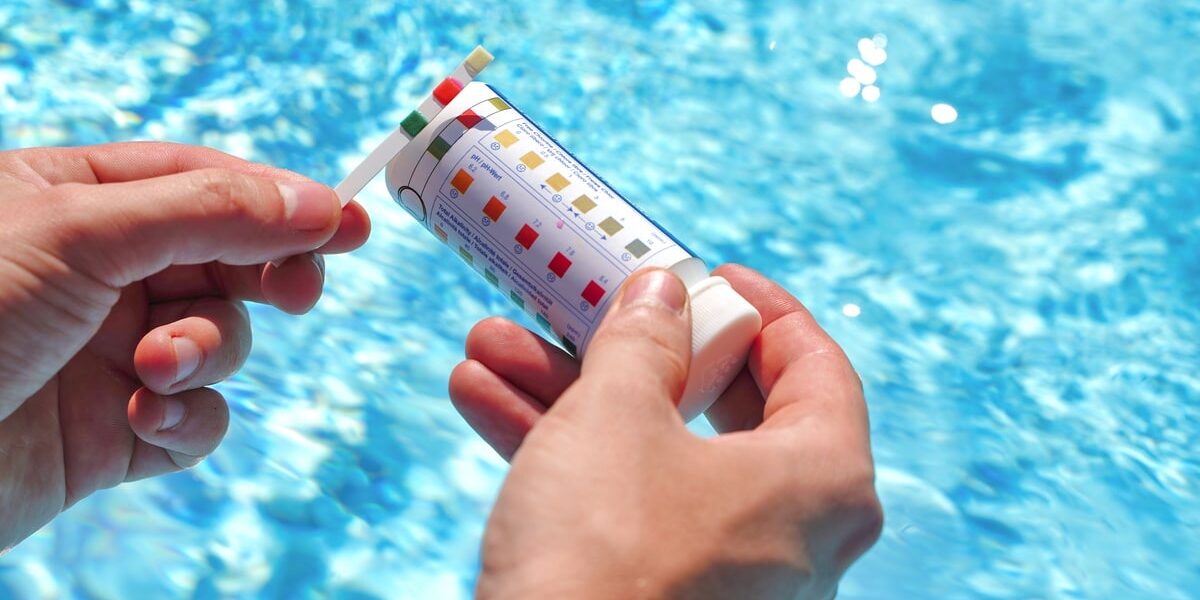
Living in Florida means your pool works overtime. Between relentless sun, heavy rain, salt in the air, and year-round swimming, pool water here behaves very differently than it does in cooler or drier climates. Understanding the science behind balanced pool water chemistry in Florida is not just about keeping water clear. It is about protecting your pool’s surface, equipment, and overall lifespan while making sure every swim feels clean, safe, and comfortable.
Why Florida Pools Are Chemically Unique
Florida’s environment constantly pushes pool water out of balance. High temperatures accelerate chemical reactions, which means water chemistry changes faster here than in most parts of the country. What might take weeks to drift out of range elsewhere can happen in days in a Florida backyard.
Rainfall also plays a major role. Florida’s frequent storms dilute pool water, lower sanitizer levels, and introduce contaminants that alter pH and alkalinity. Add organic debris like pollen, leaves, and sunscreen, and you have water that is always reacting to something new. Balanced chemistry in Florida is not a “set it and forget it” situation. It is an ongoing process that requires an understanding of how water behaves under these conditions.
The Role of pH in Pool Water Balance
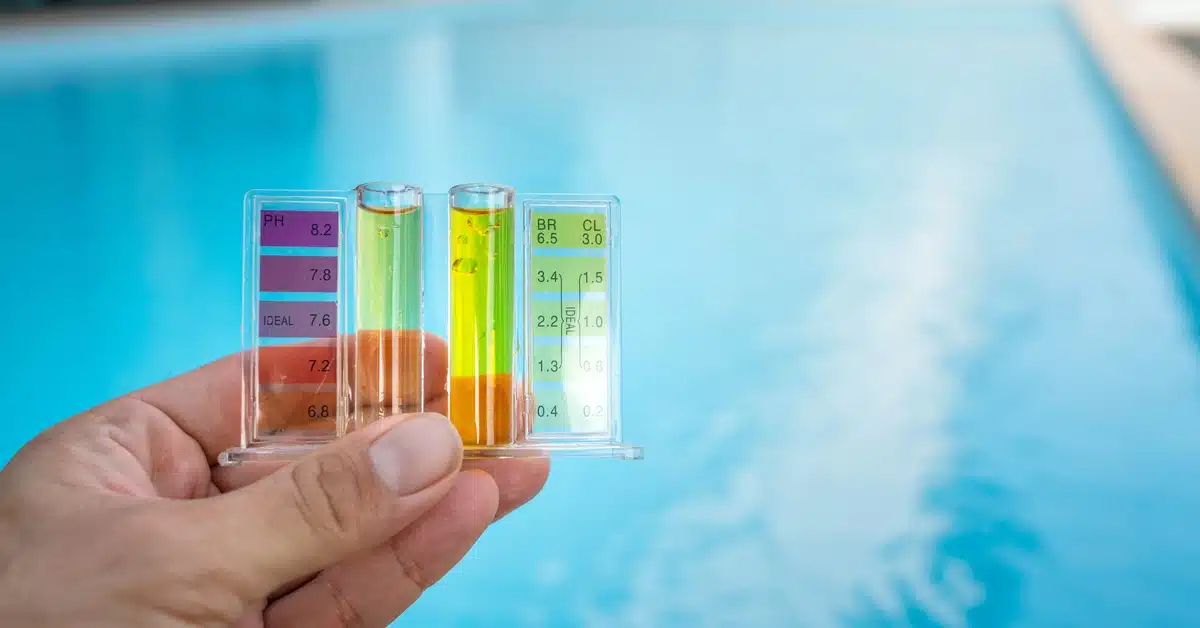
pH is one of the most important parts of pool water chemistry because it controls how well everything else in the water works. It measures how acidic or basic the water is, and even small shifts can cause big problems. In Florida pools, pH tends to rise quickly because of heat, aeration from water features, and heavy swimmer use.
When pH climbs too high, chlorine becomes less effective, which allows algae and bacteria to gain a foothold. High pH also leads to scale formation on tile, plaster, and inside plumbing lines. On the other hand, low pH creates aggressive water that can etch surfaces, damage metal components, and irritate skin and eyes. Keeping pH in a stable range is one of the most important scientific principles behind healthy pool water.
Total Alkalinity as the Water’s Stabilizer
pH measures the water’s condition, but total alkalinity controls how stable that condition remains over time. Alkalinity acts as a buffer that prevents rapid swings in pH. In Florida, where rain and heat constantly push water chemistry around, proper alkalinity keeps things from going sideways too fast.
Low alkalinity allows pH to bounce up and down, creating unstable water that is difficult to manage. High alkalinity locks pH in place, making it stubborn and hard to adjust. The science here is about balance. When alkalinity sits in the right range, pH responds predictably, and the water remains far easier to control over time.
Calcium Hardness and Surface Protection
Calcium hardness measures how much dissolved calcium is in the water. This factor matters more than many pool owners realize, especially for concrete pools, which dominate Florida construction. Water naturally seeks balance, and if it lacks calcium, it will pull it from the nearest source, often the pool surface itself.
Low calcium levels lead to etching, rough finishes, and premature surface wear. High calcium levels cause scaling, cloudy water, and buildup along tile lines. Florida’s evaporation rates make this even trickier, since water evaporates but minerals stay behind, slowly increasing calcium concentration. Proper calcium balance protects your investment and keeps surfaces looking smooth and clean for years.
Chlorine and Sanitization in a Hot Climate
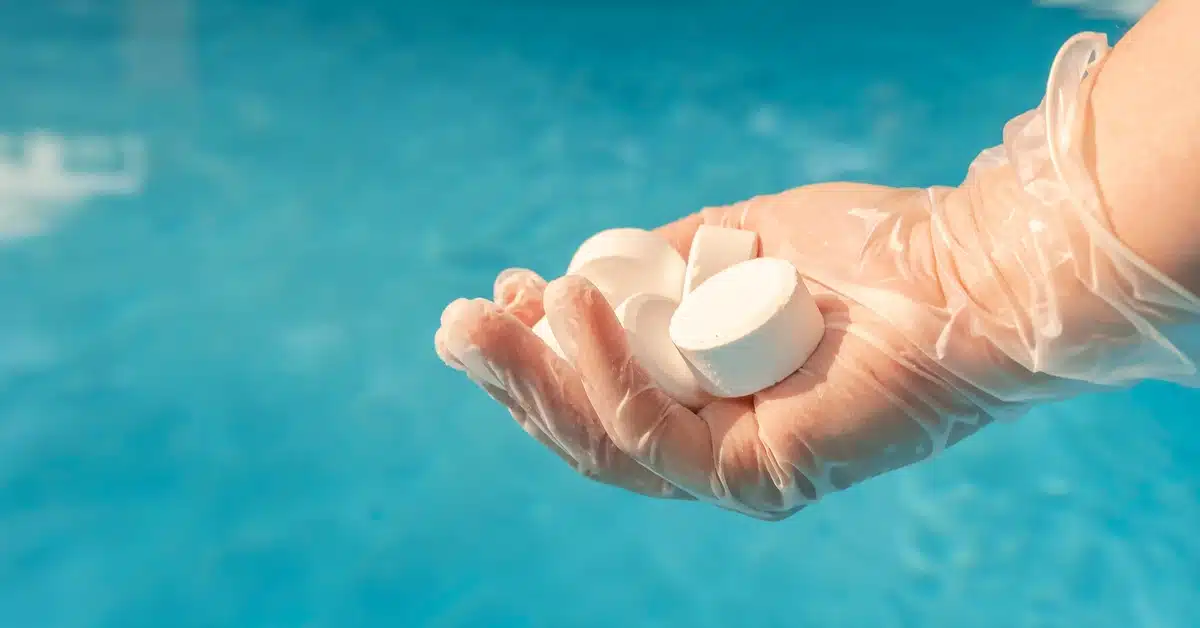
Chlorine is the primary sanitizer for Florida pools, but heat and sunlight burn it off quickly. Ultraviolet rays break down free chlorine, reducing its ability to kill bacteria and algae. That is why pools here often struggle with sanitizer levels even when everything seems fine.
Proper water balance depends on recognizing how environmental factors increase chlorine consumption. Warm water holds more swimmers, more organic waste, and more contaminants, all of which consume chlorine. Maintaining effective sanitization requires consistent monitoring and proper balance with stabilizing factors in the water. When chlorine works in harmony with pH and alkalinity, it performs efficiently without harsh side effects.
The Importance of Water Circulation and Filtration
Chemistry does not work in isolation. Water circulation and filtration play a major role in how chemicals distribute and function. In Florida pools, long run times help compensate for heavy use and environmental debris.
Poor circulation creates dead zones where sanitizer struggles to reach, allowing algae to develop even when test readings look acceptable. Proper circulation ensures chemicals mix evenly and remain effective throughout the entire pool. From a scientific standpoint, balanced water chemistry depends on movement just as much as it depends on numbers.
How Pool Surfaces React To Imbalanced Water
Every pool surface reacts differently to chemical stress. Plaster, pebble, and quartz finishes all respond to water chemistry in unique ways. In Florida, where pools stay full and active year-round, surface exposure never gets a break.
Aggressive water slowly dissolves surface materials, while scale-forming water leaves behind rough deposits that trap dirt and algae. Over time, these chemical reactions shorten the life of the finish and lead to costly resurfacing sooner than expected. Balanced chemistry minimizes these reactions and preserves the integrity of the pool structure.
Seasonal Changes Without a True Off-Season
Unlike colder states, Florida pools never close. Even in winter, water chemistry continues to change, just at a slower pace. Cooler temperatures can lower chlorine demand, but rain patterns often increase during certain seasons, throwing balance off in new ways.
Proper water balance depends on adjustment, not repeating the same routine year-round. What works in August may not work in January. Understanding seasonal chemical behavior helps prevent surprises and keeps water stable no matter the time of year.
Long-Term Effects of Poor Water Chemistry
Imbalanced pool water does not usually cause immediate failure. Instead, it creates slow, expensive damage that builds over time. Corroded heaters, stained surfaces, leaking fittings, and failing pumps often trace back to chemistry problems that went unnoticed or ignored.
From a professional standpoint, many remodels and repairs begin with a chemical issue that quietly weakened the pool over years. Balanced water chemistry protects swimmers and every component beneath the surface.
Trusting Professionals Who Understand Florida Pools
Understanding the science behind balanced pool water chemistry in Florida is about protecting your pool for the long haul. Gulf Coast Pool Consulting & Construction brings decades of hands-on experience to every project, understanding how Florida’s unique conditions affect pool water, surfaces, and equipment. As a trusted pool remodeling contractor in Panama City, FL, our team knows how proper water chemistry ties directly into build quality, resurfacing longevity, and overall pool performance. When you trust Gulf Coast Pool Consulting & Construction, you work with professionals who keep your pool in top condition for years to come. Give us a call to learn more.