
Building a swimming pool in Florida is an exciting step, but it comes with important legal and safety requirements that every homeowner needs to understand. Understanding Florida pool permits helps you avoid costly delays, ensures your project meets local codes, and protects your investment from start to finish. Many homeowners feel overwhelmed by the process, but with the right guidance, it becomes much more manageable.
Why Pool Permits Matter in Florida
Florida has strict building regulations for pools, and for good reason. Pools create safety risks when builders do not follow code, especially in residential areas with families and guests. Permits ensure that your pool design meets structural, electrical, and safety standards. Local building departments review plans before construction begins and inspect the work at different stages. This oversight protects homeowners from poor construction and future liabilities.
Skipping permits might seem like a shortcut, but it often leads to serious consequences. Homeowners can face fines, project shutdowns, or even forced removal of non-compliant structures. It also creates problems when selling your home, as unpermitted work can delay or derail a sale. When you follow the proper process, you gain peace of mind knowing your pool meets Florida’s requirements and will stand the test of time.
What Is Included in a Pool Permit
A pool permit is not just a single approval. It typically covers multiple aspects of the project to ensure everything meets code. Your permit package usually includes construction plans, engineering details, and specifications for materials. It also accounts for electrical systems, plumbing, and safety barriers. Florida law requires safety features such as fences, alarms, or covers to prevent accidental access.
The permitting process also considers your property layout. Setbacks, easements, and drainage all play a role in determining where and how you can build your pool. Each municipality may have slightly different requirements, but the core elements remain consistent across the state. An experienced contractor accounts for every detail before submission. That preparation helps avoid rejections and delays.
The Step-By-Step Pool Permit Process
The pool permitting process follows a clear sequence, though timelines can vary depending on your location.
- Start with design and planning by creating detailed drawings that match your vision and meet local codes
- Submit the permit application through your contractor to the local building department for review
- Receive approval and begin construction once plans meet all structural, electrical, and safety standards
- Complete required inspections throughout each phase to ensure the work meets code
- Pass the final inspection so the permit can close and your pool is ready for use
Staying organized and working with a contractor who understands the process helps keep everything on track.
Florida Safety Requirements for Pools
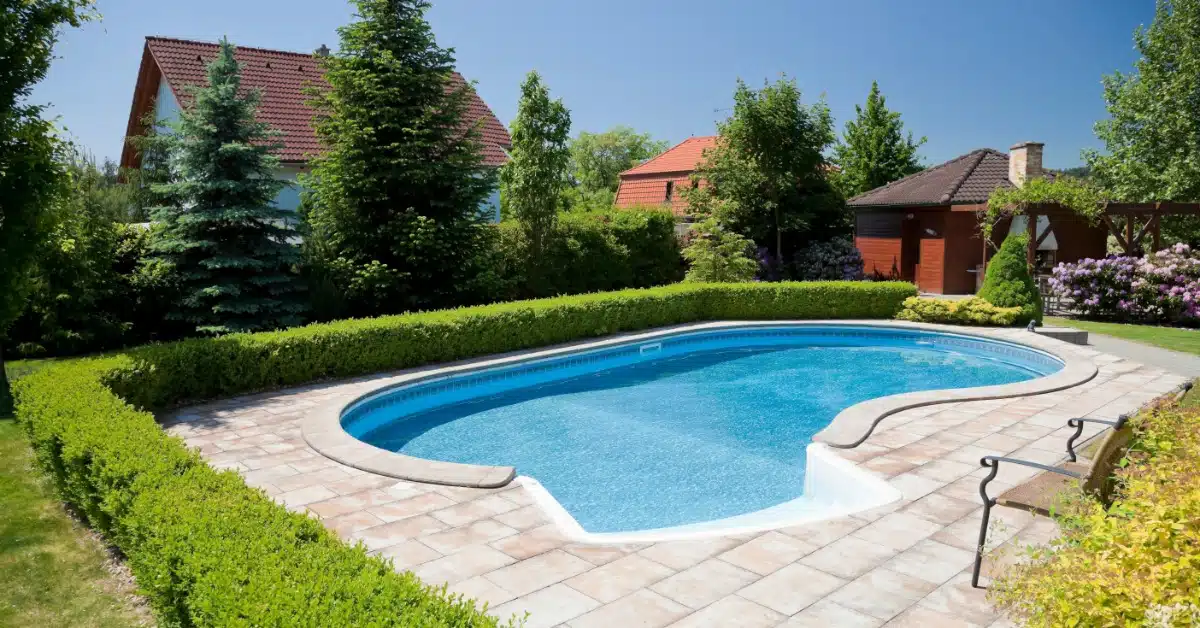
Florida takes pool safety seriously, especially for residential properties. State laws require barriers that prevent unsupervised access to the pool area. These barriers can include fences with self-closing gates, door alarms, or pool covers that meet safety standards. The goal is to reduce the risk of accidental entry, particularly for children.
Electrical systems must also meet strict codes. Proper grounding and bonding are essential to ensure safe operation. Inspections verify that all systems function correctly and meet state regulations.
Safety requirements are not optional. They play a fundamental role in the permitting process, and you must address them before approval.
How Long Does the Permit Process Take
The timeline for pool permits in Florida can vary depending on several factors. Some permits move quickly, while others take longer due to review backlogs or revisions. In many cases, the process takes a few weeks from submission to approval. However, delays occur when plans need adjustments or when applicants must provide additional documentation.
Inspections during construction also affect the overall timeline. Each phase must pass inspection before moving forward, which can add time if scheduling conflicts arise. The key to staying on schedule is preparation. When your plans are complete and accurate from the start, the process moves much more smoothly.
The Role of Your Pool Contractor
Your pool contractor plays a critical role in the permitting process. A knowledgeable contractor does more than build your pool. They guide you through each step and handle the technical details. They prepare and submit permit applications, coordinate inspections, and ensure that construction meets all codes. This level of involvement helps prevent costly mistakes and keeps your project moving forward.
An experienced contractor also understands local regulations in areas like Panama City and surrounding communities. That local knowledge improves how efficiently the building department approves your permit. Choosing the right contractor is one of the most important decisions you will make. It directly impacts the success of your project.
What Homeowners Should Do Before Applying
Before starting the permit process, homeowners should take time to prepare. Understanding your property layout is a good place to begin. Review property lines, easements, and any existing structures that may affect pool placement. It is also important to think about how you plan to use the space.
Work with a contractor who can evaluate your property and recommend the best design. This early collaboration helps avoid surprises later in the process. Clear communication is essential. When you align with your contractor from the beginning, the entire project runs more smoothly.
Avoiding Costly Mistakes
Mistakes during the permitting process can lead to delays and additional expenses. One of the biggest mistakes homeowners make is trying to cut corners. Attempting to bypass permits or rushing through the process often results in bigger problems down the road. Repairs, fines, and compliance issues can quickly add up.
Another common mistake is choosing a contractor without proper experience. Not all builders understand Florida’s specific requirements, which can lead to errors in design or construction. Taking the time to do things right from the start saves time, money, and stress in the long run.
Work With a Trusted Local Expert
Understanding Florida pool permits gives homeowners the confidence to move forward with their project the right way. When you follow the proper steps and work with experienced professionals, the process becomes much more manageable.
Gulf Coast Pool Consulting & Construction is a trusted pool contractor in Panama City, FL, with decades of experience navigating permits, design, and construction. Our team focuses on delivering high-quality pools with a smooth, efficient process that respects your time and investment. If you are ready to build a pool that lasts for years to come, working with a contractor who understands both the craft and the regulations makes all the difference. Contact us to learn more!