
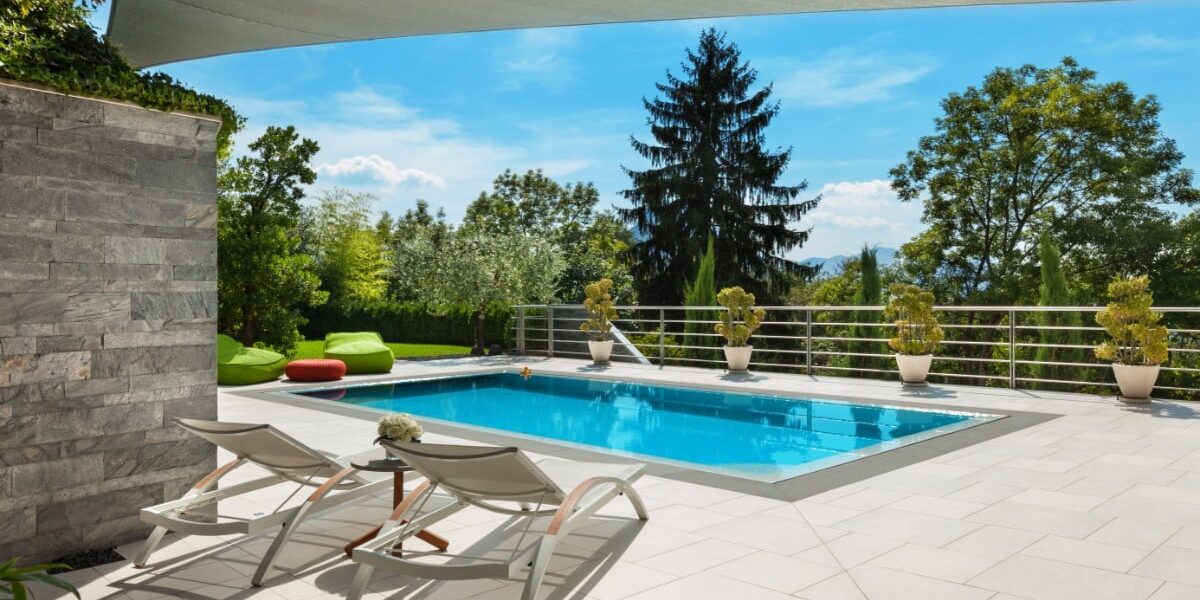
If you live in a neighborhood with an HOA, you already know there are rules for just about everything. Building a pool adds another layer of approvals, paperwork, and coordination. That does not mean it has to be stressful. With the right planning and an experienced contractor, you can move through the process smoothly and protect your investment. Check out these practical tips on building a backyard pool in an HOA community.
Start With Your HOA Guidelines
Before you think about pool shape or finishes, read your HOA’s governing documents. Most associations outline architectural review standards that clearly define what homeowners can build, what requires approval, and what they restrict.
Common requirements include property setbacks, fence specifications, drainage plans, and screening for pool equipment. Some HOAs also require detailed site plans and material descriptions before granting approval. If you overlook these details, you risk delays or redesigns after you have already invested time and money in a layout.
Design Within Your Actual Buildable Space
Many homeowners are surprised to learn that their full backyard is not fully buildable. Utility easements, drainage paths, and setback lines often shrink the usable area. HOA communities enforce those boundaries carefully.
An experienced builder will review your survey and design a layout that respects all property lines and association requirements. If you have limited space, a cocktail pool or plunge pool can deliver the same durability and long-term value as a larger pool without overwhelming the yard.
A well-planned smaller pool can still include built-in seating, quality lighting, and clean deck space for entertaining. The key is thoughtful design, not just square footage.
Work With a Builder Who Knows HOA Projects
Not every pool contractor has experience working inside HOA communities. That experience makes a difference. When a builder regularly prepares architectural submittals and coordinates approvals, the process tends to move more efficiently.
At Gulf Coast Pool Consulting & Construction, we focus on custom concrete pools and major remodels, and we personally supervise each project to maintain quality and accountability. We understand how to prepare detailed plans that align with both county codes and HOA standards.
You want a contractor who builds fewer pools of higher quality and takes responsibility for the outcome. In an HOA setting, professionalism and organization matter just as much as craftsmanship.
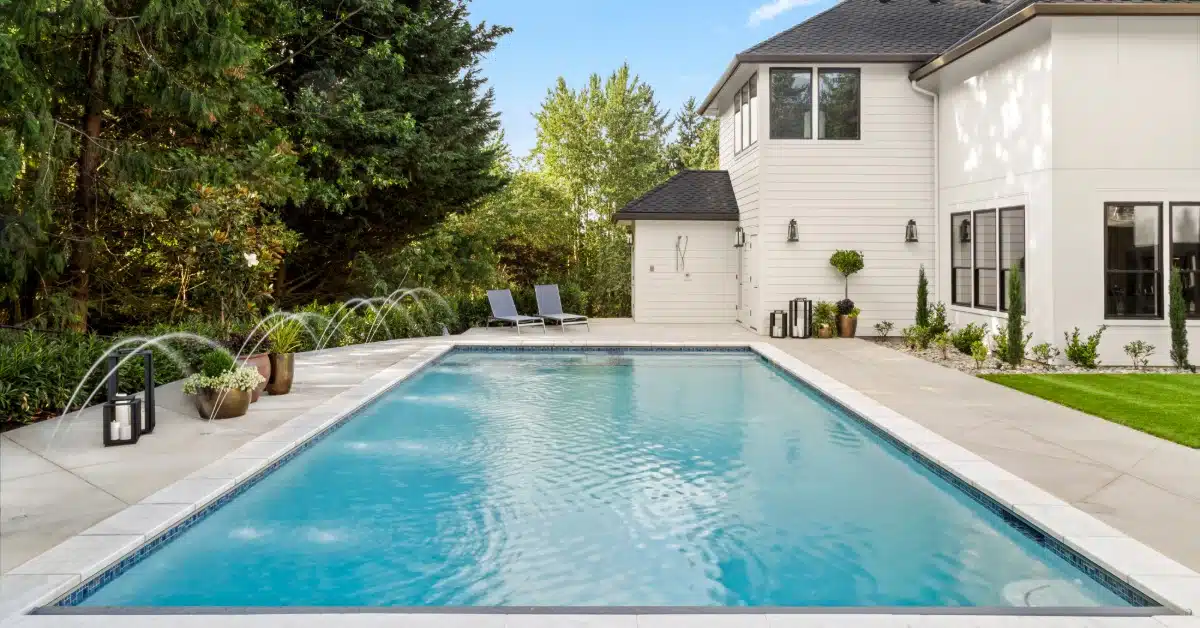
Submit a Complete Architectural Package
HOA boards typically review applications on a set schedule. If your submission is incomplete, you may have to wait weeks for another review cycle. That can delay your entire project.
A strong application package often includes a site plan with pool placement, deck layout, equipment location, fencing details, and drainage flow. It may also require finish descriptions and exterior material samples.
When plans are clear and professionally presented, boards are more likely to approve them without repeated revisions. An organized submittal shows that the project is well planned and responsibly managed.
Plan Equipment Placement Carefully
You cannot always place pool equipment wherever it is convenient. Many HOAs require homeowners to screen pool equipment from view or place it away from shared fences. Noise concerns are common in tightly built neighborhoods.
Proper placement protects your relationship with neighbors and prevents future complaints. It also ensures the system runs efficiently and remains accessible for service and inspection.
Choose Timeless, Cohesive Materials
HOA communities usually value a consistent neighborhood appearance. That does not mean your pool cannot reflect your style, but it should complement your home’s architecture and surrounding properties.
Classic tile selections, durable concrete construction, and clean deck finishes typically move through approval more easily than flashy or overly trendy options. Building for long-term value is always smarter than chasing short-term trends.
A pool is a permanent structure. When you select materials that age well and blend naturally with your home, you protect both your enjoyment and your property value.
Communicate With Your Neighbors
Construction in an HOA community happens close to other homes. Equipment access, noise, and work schedules can affect those around you. A quick conversation with nearby neighbors before construction begins goes a long way.
Let them know the expected timeline and that the project is professionally managed. When homeowners see a clean job site and steady progress, they tend to be supportive.
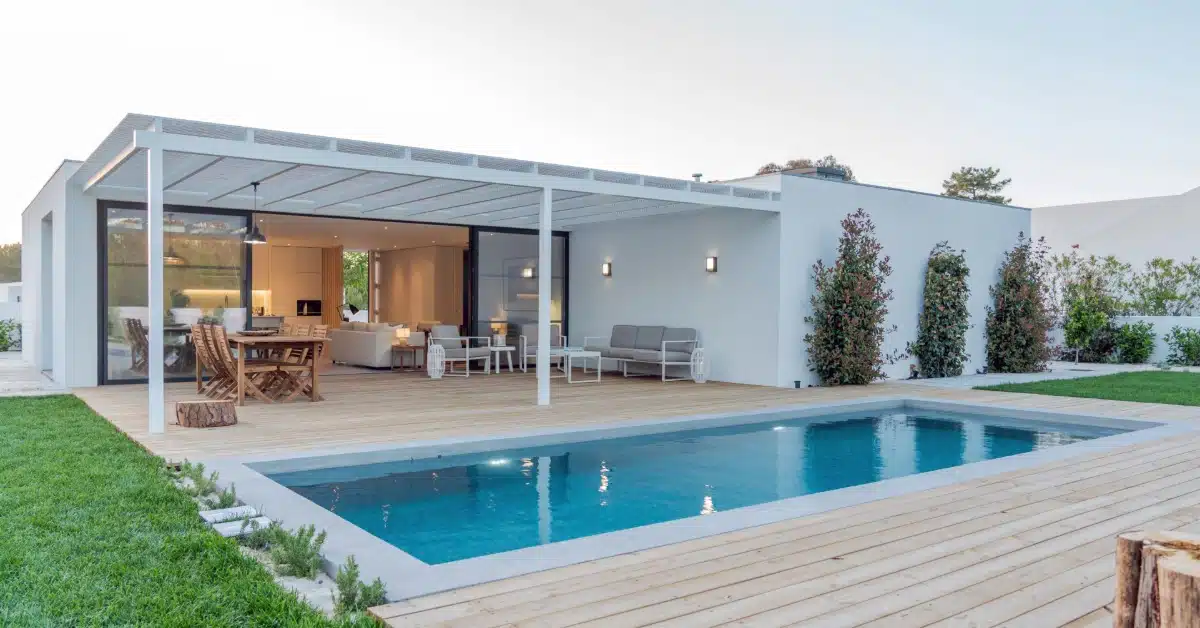
Coordinate HOA Approval and Permitting
HOA approval and county permitting often overlap, but they are not the same. In most cases, you need both before breaking ground. Starting one without understanding the other can cause unnecessary delays.
An experienced contractor will help you sequence the process properly. Typically, engineered plans are prepared first, submitted to the HOA for approval, and then finalized for county permitting.
Because we personally supervise our projects and do not sell pools we cannot oversee responsibly, we guide homeowners through each step with clarity. That coordination keeps timelines predictable and stress levels lower.
Focus on Long-Term Value, Not Just Approval
It is easy to think of HOA approval as the finish line, but it is just the beginning. Your pool should function well, hold its value, and serve your family for decades.
In neighborhoods across Panama City and surrounding Gulf Coast communities, homeowners invest in pools so they can enjoy their backyard without always heading to the beach or waterpark. A properly designed pool becomes a central gathering place for family and friends. When you build with quality materials, solid engineering, and careful planning, you avoid costly corrections later.
Build With Confidence
Living in an HOA community adds structure to the pool-building process, but it does not prevent you from creating something exceptional. With preparation, professional documentation, and experienced oversight, your project can move forward smoothly. These tips on building a backyard pool in an HOA community are about protecting your investment and building the right way from day one.
At Gulf Coast Pool Consulting & Construction, we design and build custom swimming pools tailored to your property and your goals. We focus on high-quality construction, hands-on supervision, and efficient project timelines. From HOA coordination and engineered plans to final inspection, we handle every phase with accountability. If you are ready to add a lasting, custom-built pool to your backyard, give us a call and let’s start planning.