
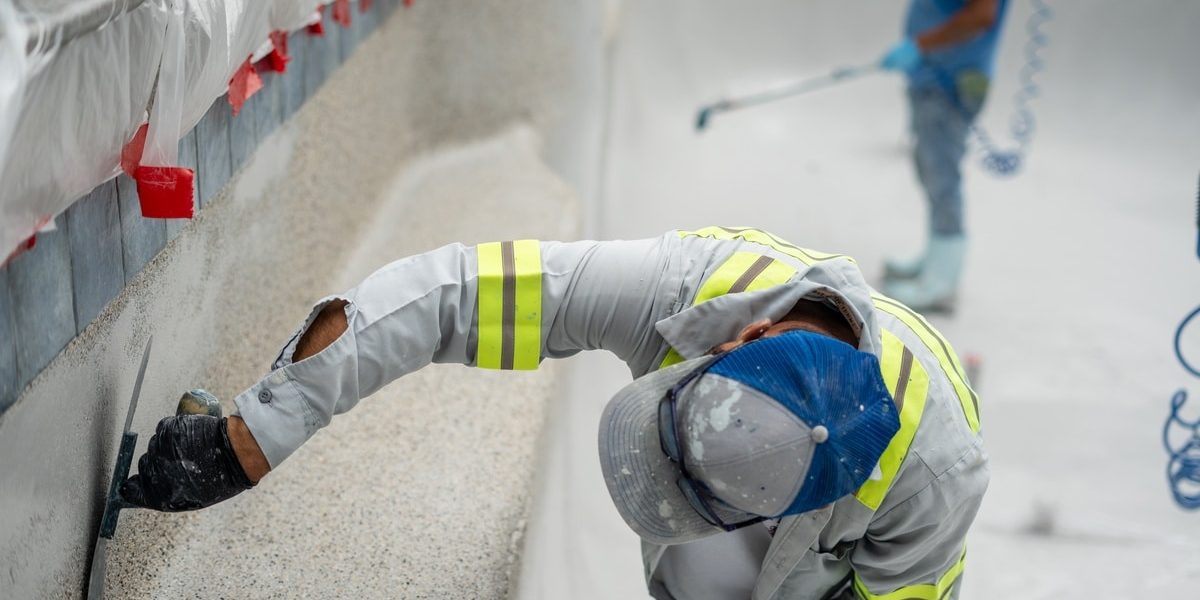
Crystal clear water and smooth surfaces define the perfect backyard oasis, but time and weather eventually take a toll on even the best-constructed swimming pools. Rough textures, fading colors, or persistent leaks signal that your pool requires professional attention to restore its original beauty and functionality. Understanding the process of resurfacing your pool alleviates the stress of renovation and ensures you make informed decisions about your investment.
Why Pool Resurfacing Is Important
A resurfaced pool does far more than just look better. The main advantage is the durability of the pool shell. The finish acts as a waterproof layer, shielding the concrete or gunite structure underneath from water intrusion. If this barrier fails, water can seep into the structural shell, leading to cracks and major leaks that are expensive to repair. A new surface seals the pool tight, preventing water loss and structural damage.
Safety is another critical factor driving the need for resurfacing. As pool surfaces age, they often become rough or pitted. This uneven texture can scrape skin, snag swimsuits, and make walking on the pool floor uncomfortable or even painful. A fresh surface provides a smooth, comfortable texture that is safe for feet and skin.
Furthermore, older surfaces can harbor algae and bacteria in cracks and pits, making chemical balance difficult to maintain. A smooth, new finish resists algae growth and makes the pool easier and cheaper to clean.
When Should You Resurface Your Pool?
Homeowners often wonder how to identify the right time for this project. Several clear indicators suggest your pool finish has reached the end of its lifespan. You should inspect the pool closely for stains that do not brush off. While some discoloration is normal, deep or widespread staining often indicates that the finish has become porous and is absorbing minerals or dirt.
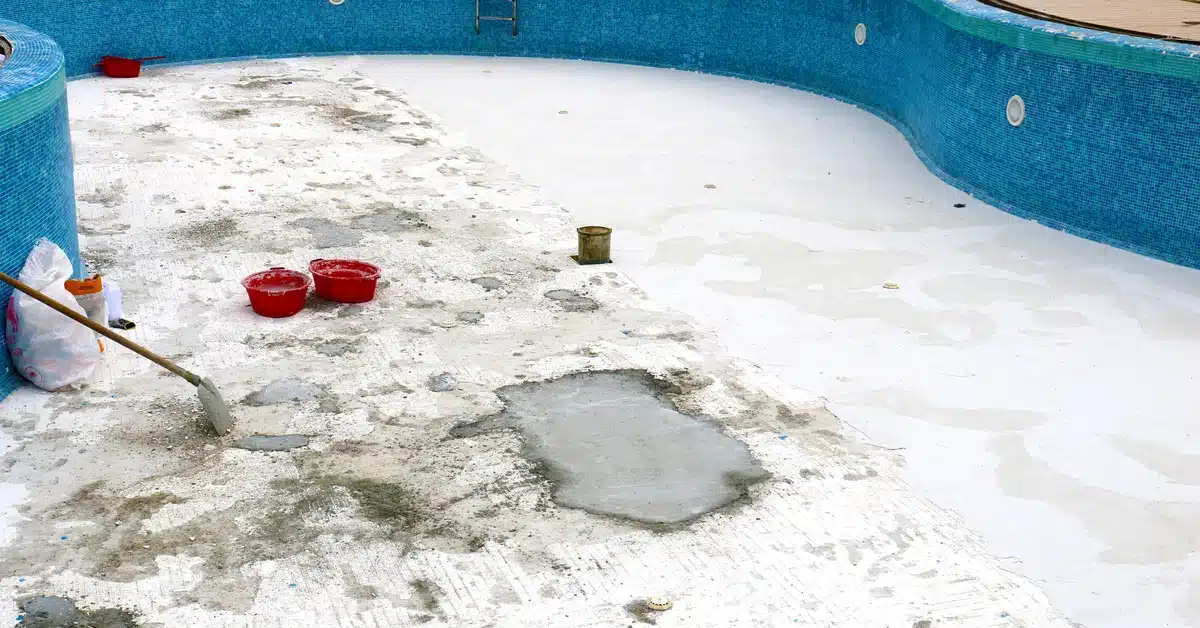
Another telltale sign involves the texture of the pool walls and floor. If the surface feels like sandpaper or if you notice distinct rough patches that cause skin irritation, the protective coating is wearing thin. You might also see “spalling,” which occurs when the top layer of plaster flakes or peels off, revealing the concrete underneath. This is a serious issue that demands immediate attention.
Structural cracks differ from surface crazing (tiny web-like cracks). Larger cracks in the shell or significant water loss beyond normal evaporation compromise the finish’s structural integrity. A chalky residue clouding the water or rubbing off on your hands is another sign of a deteriorating surface.
Exploring Types of Pool Finishes
The cost and longevity of your resurfacing project largely depend on the material you choose. Homeowners have several distinct options, each offering different aesthetic qualities and durability levels.
Standard Plaster
White plaster remains the most common and economical choice for pool surfacing. It creates that classic, bright blue water appearance that many people associate with swimming pools. This mixture of white cement and marble dust produces a hard, smooth surface. While it is the most affordable option upfront, it is also the least durable, typically lasting between five and seven years before signs of wear appear. Plaster is also more susceptible to staining and requires strict chemical maintenance to prevent degradation.
Aggregate Finishes
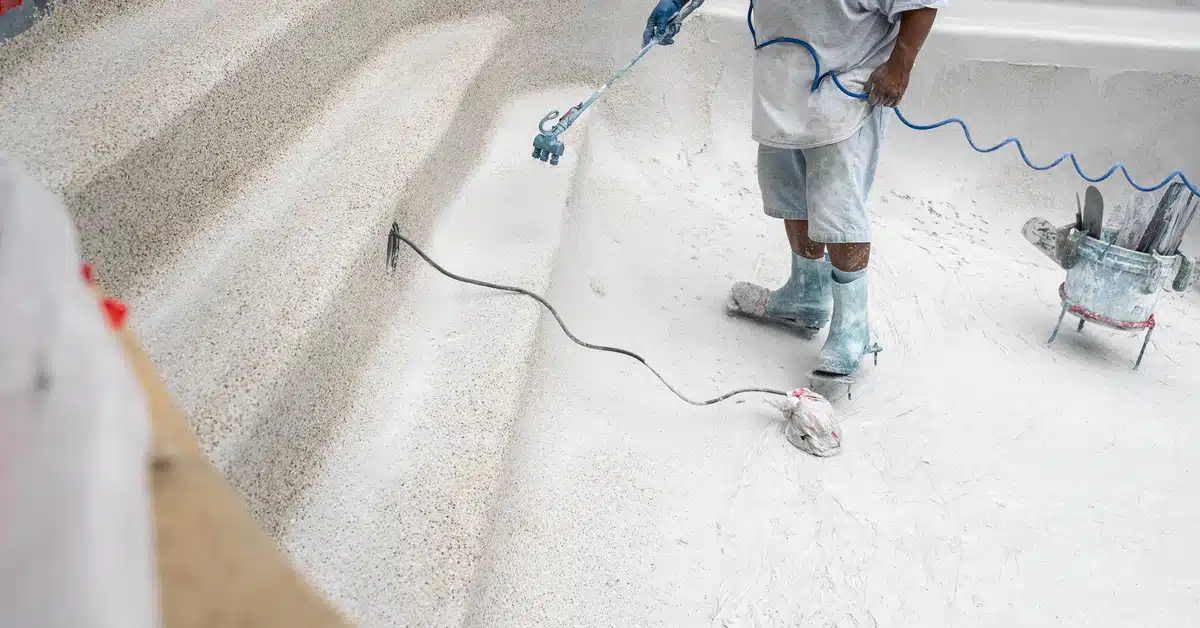
Aggregate finishes have surged in popularity because they offer a balance between durability and visual appeal. These finishes contain stones, glass, or quartz crystals mixed into the cement. Pebble finishes, for example, present a natural, riverbed look and are incredibly resilient. They resist chemicals and staining much better than standard plaster, often lasting up to twenty years.
Quartz finishes fall somewhere between plaster and pebble in terms of price and durability. Manufacturers crush quartz and blend it with plaster to create a surface that is harder and more stain-resistant than plaster alone. This option adds sparkle to the water and typically lasts ten to fifteen years. While aggregate finishes cost more than simple plaster, the investment pays off in longevity and reduced maintenance.
Tile Finishes
For the ultimate in luxury and durability, tile remains the premier choice. Glass or porcelain tile surfacing offers an almost infinite lifespan if properly maintained. Tiles are non-porous, meaning they are chemically inert and will not stain or pit like cement-based finishes. They also offer limitless design potential, from intricate mosaics to modern, solid colors. However, tiling an entire pool is labor-intensive and material-heavy, making it the most expensive resurfacing option by a significant margin.
Step-By-Step Through the Resurfacing Process
Draining and Preparation
The crew begins by draining all the water from the pool using a submersible pump. Once the pool is empty, they must prepare the surface. This is the loudest and most messy part of the job. The team will sandblast or chip away the old, damaged surface to ensure the new material bonds correctly to the pool shell. They also undercut the tile line to create a seamless transition. During this phase, they protect the surrounding deck and patio area, but dust is inevitable.
Application of New Material
After the heavy demolition work is complete, the crew cleans the shell thoroughly. They apply a bond coat if necessary, which acts as a glue for the new finish. Then, the application of the new surface begins. For plaster or aggregate, the team mixes the material onsite and pumps it into the pool using hoses. Skilled artisans then trowel the mixture by hand to smooth it out and ensure an even, consistent layer across the floor and walls. This step requires speed and precision to prevent the material from drying unevenly.
Refilling and Chemical Balancing
Once the crew has applied and smoothed the finish, they must immediately refill the pool. Leaving a new finish exposed to air for too long can cause it to crack or cure improperly. The water stops the curing process from happening too quickly. You must let the water run until the pool is full; stopping the water flow midway can leave a permanent ring around the pool interior. After the pool is full, the water chemistry requires careful monitoring and balancing for several weeks to ensure the finish cures to its maximum hardness.
Revitalize Your Backyard Oasis
Restoring your pool is a significant investment that enhances your home’s value and your family’s enjoyment. By recognizing the signs of wear early and choosing the right finish for your budget and style, you can transform a tired swimming hole into a stunning centerpiece for your backyard.
For homeowners in Panama City, FL, looking for expert guidance, Gulf Coast Pool Consulting & Construction is a pool remodeling and resurfacing company that offers professional insights and top-tier craftsmanship. Our team understands the nuances of local weather and water conditions, ensuring your renovation stands the test of time. Trusting a reputable company ensures that the process of resurfacing your pool results in a beautiful, durable finish you can enjoy for years to come. Contact us today to discuss your pool transformation plans.